
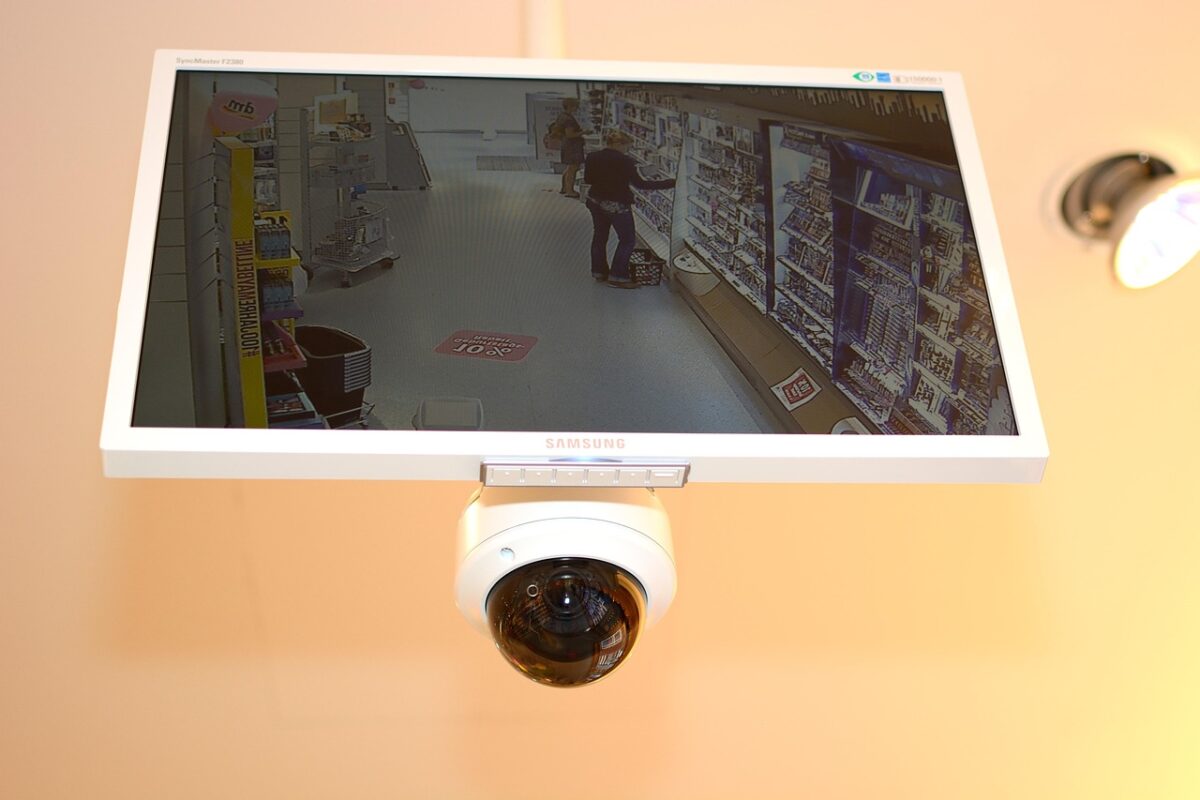
Night-time security threats are often the most concerning for homeowners and business owners alike. When the sun goes down, visibility decreases, and intruders feel more confident approaching properties. This is where night vision security cameras prove invaluable. They allow you to see clearly in low-light and pitch-dark environments, offering around-the-clock protection. But with so many camera models flooding the market, choosing the right one for your specific needs can feel overwhelming.
This comprehensive guide will help you understand the key features, technologies, and factors to consider while selecting the perfect night vision security camera for your property.
Why Night Vision Matters for Modern Security Systems
Most break-ins, vandalism incidents, and suspicious activities occur after dark. Even properties equipped with standard cameras often struggle with recording clear footage at night. Night vision cameras, however, are designed to deliver:
- Enhanced clarity in darkness
- Accurate intruder identification
- Improved detection at longer distances
- Reliable 24/7 surveillance without additional lighting
For homeowners, night vision cameras offer peace of mind. For businesses, they provide essential protection for assets and staff safety.
Types of Night Vision Technologies
To choose the right camera, you need to first understand the various night vision technologies available.
1. Infrared (IR) Night Vision
The most common technology, IR cameras, use infrared LEDs to illuminate the area. They provide black-and-white footage at night.
Pros:
- Affordable
- Works in complete darkness
- Good for indoor and outdoor use
Cons:
- May attract insects to the LED glow
- Limited range depending on LED power
2. Colour Night Vision (Low-Light Cameras)
These cameras use advanced sensors that capture more available light and produce colour images even in dim environments.
Pros:
- More detailed footage
- Better subject identification
- Great for larger outdoor spaces
Cons:
- Requires some ambient light (streetlights or garden lighting)
3. Thermal Imaging Cameras
They detect heat signatures rather than visible light, making them ideal for areas with extreme darkness or heavy fog.
Pros:
- Works regardless of lighting
- Excellent for perimeter monitoring
- Can detect hidden intruders
Cons:
- Expensive
- Best for specialized security needs
4. Starlight Technology Cameras
Using ultra-sensitive sensors, these cameras produce exceptionally bright and clear images in extremely low-light conditions.
Pros:
- Superior clarity
- Highly detailed colour images at night
- Suitable for large properties
Cons:
- Higher cost compared to conventional IR cameras
Top Features to Look for in a Night Vision Security Camera
Choosing the right camera involves evaluating multiple features. Here are the essential ones:
1. Night Vision Range
This indicates how far the camera can see in the dark, typically measured in metres.
- 10–20m: Good for small homes, corridors, porches
- 20–40m: Ideal for mid-sized gardens and driveways
- 40m+: Required for farms, warehouses, estates, and large outdoor spaces
Always choose a range slightly higher than what you think you need.
2. Camera Resolution
Higher resolution means sharper and clearer video.
- 1080p (Full HD): Minimum recommended
- 2K and 4K: Best for capturing minute details like faces or number plates
- 5MP or 8MP: Excellent for professional-grade surveillance
Night footage naturally loses clarity, so resolution matters even more.
3. Weatherproof and Vandal-Proof Design
For outdoor cameras, ensure the following:
- IP66 or IP67 rating for rain protection
- IK10 vandal-resistant housing for tamper-proof installation
- Rust-resistant and dustproof casing
4. Motion Detection and Alerts
Smart night vision cameras come with:
- Human detection
- Vehicle detection
- Animal detection
- Instant push notifications
These features reduce false alarms and make monitoring easier.
5. Wide-Angle Lens
The field of view determines how much area the camera can cover.
- 90°–110°: Standard
- 120°–160°: Ideal for wide outdoor spaces
A wider view reduces the number of cameras needed.
6. Smart Features
Depending on your budget, you can opt for cameras with:
- AI-powered analytics
- Two-way audio
- Colour spotlight activation
- Cloud or local storage
- Integration with Alexa, Google Home, or smart hubs
These features significantly enhance usability and security efficiency.
7. Power Source Options
Select based on your installation environment:
- Wired (PoE) – stable connection, ideal for large buildings
- Wireless Wi-Fi – easier installation, great for homes
- Battery-powered – flexible placement
- Solar-powered – suitable for remote locations
If you want uninterrupted night monitoring, wired or PoE is strongly recommended.
Where to Install Night Vision Cameras for Maximum Effectiveness
Placement matters just as much as the camera’s features. Common installation points include:
- Entry points: front doors, back doors, side doors
- Driveways and garages
- Garden or backyard perimeter
- Near fences and gates
- Outdoor staircases and pathways
- Business entrances and loading docks
Make sure the camera isn’t facing bright light sources at night, as this reduces visibility.
Choosing a Camera Based on Your Property Type
Here’s a quick breakdown to help you match cameras to property needs:
For Homes
- IR or starlight cameras
- 1080p minimum resolution
- 20–30m night vision range
- Weatherproof outdoor models
For Apartments
- Indoor colour night vision cameras
- Wide-angle lens
- Motion alerts
For Farms or Large Estates
- Thermal or starlight cameras
- 50m+ night vision
- PTZ cameras for rotating coverage
For Shops and Offices
- 2K or 4K cameras
- AI alerts
- Indoor low-light CCTV
Budget Considerations
Night vision cameras vary in price depending on technology:
- Budget-friendly: Basic IR cameras (₹£20–£50)
- Mid-range: Colour night vision or starlight (£80–£200)
- Premium: Thermal or high-end AI-powered cameras (£300+)
For most homes, mid-range night vision cameras strike the perfect balance.
Final Thoughts
Choosing the right night vision security camera doesn’t have to be confusing. By understanding your property layout, lighting conditions, security needs, and budget, you can easily narrow down the best options. Whether you prefer basic IR cameras or high-end starlight technology, the right device will give you dependable, round-the-clock protection and peace of mind.
A well-chosen night vision camera is not just a security upgrade; it’s an investment in the safety of your home, family, or business.