
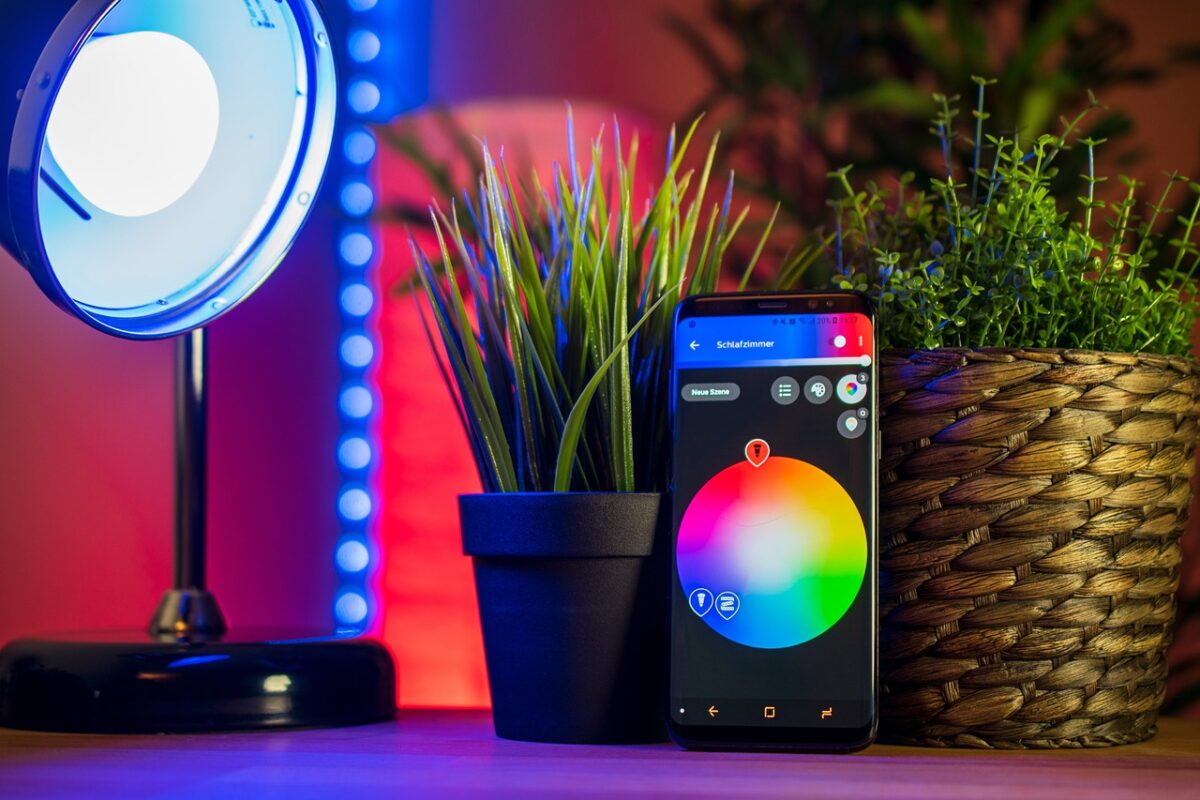
Smart home automation is no longer a futuristic concept – it is a practical, life-changing solution that enhances comfort, convenience, and independence. For seniors and individuals with disabilities, technology-driven homes are not just about luxury; they are about empowerment. From voice-controlled devices to automated lighting and smart security, home automation offers ways to overcome mobility challenges, improve safety, and simplify day-to-day tasks.
In this comprehensive blog, we explore how smart home automation improves accessibility, the devices that make the biggest impact, and why more families are adopting this technology to create safe, supportive living environments.
The Growing Need for Accessible Smart Homes
The world’s population is aging faster than ever, and the number of people living with disabilities continues to rise. Many seniors prefer to remain in their own homes rather than move into assisted living facilities. However, living independently often becomes difficult due to mobility limitations, memory issues, or chronic conditions.
Smart home technology bridges this gap by automating everyday actions, turning lights on, adjusting thermostats, locking doors, or even reminding users to take medication. For people with physical, sensory, or cognitive disabilities, these automated systems offer increased safety and reduce reliance on caregivers.
How Smart Home Automation Enhances Accessibility
1. Hands-Free Control with Voice Assistants
Voice assistants such as Amazon Alexa, Google Assistant, and Apple Siri allow users to control multiple devices without lifting a finger. Seniors with arthritis or individuals with mobility impairments can use simple voice commands to:
- Turn lights on and off
- Adjust room temperature
- Make phone calls
- Play music or audiobooks
- Get reminders for medication or appointments
- Operate smart appliances
This reduces physical strain and enables effortless control of the home.
2. Smart Lighting for Safe Navigation
Poor lighting is a major contributor to falls, one of the leading causes of injury among seniors. Smart lighting systems enhance safety by:
- Turning lights on automatically when someone enters a room
- Illuminating pathways during nighttime
- Adjusting brightness based on time of day
- Allowing voice or app-based control for users with mobility issues
For people with visual impairments, lighting intensity and colour temperature can be customised for better clarity and comfort.
3. Automated Thermostats for Comfort and Energy Savings
Smart thermostats help regulate indoor temperatures without manual adjustments. This is especially beneficial for:
- Seniors who may forget to change thermostat settings
- Wheelchair users who struggle to reach or turn the dial
- Individuals with temperature sensitivity or chronic health conditions
The system learns the user’s habits and adjusts settings automatically, ensuring optimal comfort.
4. Smart Security Systems for Peace of Mind
Security and accessibility go hand in hand. Smart security devices help seniors and people with disabilities feel safer at home
by offering:
- Video doorbells (see visitors without going to the door)
- Smart locks (lock/unlock doors with a phone or voice command)
- Motion sensors (detect unusual activity)
- Remote monitoring (family members can check on loved ones)
These security solutions reduce the risk of intruders and allow users to manage their home’s safety independently.
5. Fall Detection and Emergency Alert Systems
Falls are one of the most common household accidents among seniors. Smart fall-detection devices and medical alert systems automatically notify family members or emergency services when a fall occurs.
Some modern systems use:
- Wearable sensors
- AI-powered cameras
- Smart flooring
- Motion analysis algorithms
This ensures help arrives quickly, even if the individual cannot call for assistance.
6. Smart Appliances for Daily Convenience
Modern appliances come with automation features that reduce physical effort. Examples include:
- Smart ovens that turn off automatically
- Refrigerators that send alerts if the door is left open
- Washing machines controlled through apps
- Robot vacuum cleaners that clean without manual effort
These appliances make daily chores manageable and reduce dependence on caregivers.
7. Environmental Controls for Greater Independence
Many individuals with physical disabilities struggle to operate windows, blinds, or doors. Smart environmental controls offer:
- Automated window blinds
- Motorised door openers
- Smart fans and heaters
- Leak detectors and smoke alarms
These integrations improve safety, comfort, and accessibility throughout the home.
Smart Home Solutions for Different Disabilities
For Seniors
- Fall detection sensors
- Medication reminder devices
- Voice-activated lights
- Smart thermostats
- Emergency alert systems
For People with Visual Impairments
- Voice-based controls
- High-contrast smart displays
- Audio alerts for household devices
For People with Mobility Disabilities
- Smart locks and video doorbells
- Automated curtains and windows
- Voice-activated appliances
For Individuals with Cognitive Disabilities
- Schedules displayed on smart screens
- Reminders for daily tasks
- Automatic shutoff for appliances
Smart homes can be fully customised depending on the user’s needs, making daily life easier and safer.
Why Smart Home Automation Is Life-Changing
Promotes Independent Living
Many seniors and disabled individuals value independence. Smart automation reduces the need for constant assistance, enabling them to manage their home confidently.
Improves Safety and Reduces Risks
Smart sensors and security features detect hazards early, preventing injuries, fires, or break-ins.
Eases Caregiver Workload
For families and caregivers, automation ensures:
- Reminders for medication
- Remote monitoring
- Notifications during emergencies
This reduces stress and allows caregivers to focus on emotional and physical support.
Enhances Quality of Life
Smart homes provide comfort, efficiency, and greater control leading to improved well-being and mental peace.
Challenges and Considerations
While smart home technology offers immense benefits, certain challenges must be addressed:
- Cost: High-end systems can be expensive, but many affordable options are available.
- Digital literacy: Seniors may require training to use devices confidently.
- Privacy: Users should choose reputable brands with secure encryption.
- Compatibility: Devices should integrate smoothly with a central control system.
With proper planning, these issues can be easily managed.
Conclusion: A Smarter, More Inclusive Future
Smart home automation is revolutionising accessibility for seniors and individuals with disabilities. By incorporating voice-controlled devices, automated lighting, smart security, and advanced sensors, homes become safer, more comfortable, and easier to navigate. The benefits extend far beyond convenience – they enhance independence, reduce daily challenges, and significantly improve the quality of life.
As technology continues to evolve, smart homes will play an increasingly important role in creating inclusive spaces where everyone, regardless of age or ability, can live with confidence and dignity.