Categories
Blog

Smart Questions to Ask Before Choosing the Right Home Security System

Introduction

Investing in a home security system is one of the most effective ways to protect your property, belongings, and loved ones. However, with a vast range of products available from basic alarms to smart, AI-powered surveillance systems, choosing the right one can feel overwhelming. Before you make this important investment, it’s crucial to ask the right questions to ensure the system matches your needs, budget, and lifestyle.

This blog explores key questions to ask before selecting a home security system, helping you make a confident and informed decision.

What Are My Home Security Needs?

Every home is different, and so are its security requirements. Start by assessing what you truly need:

  • Type of property: A detached house may need more external surveillance than an apartment.
  • Size of home: Larger homes often require multi-camera setups, while smaller spaces may only need door and window sensors.
  • Neighbourhood safety: Research local crime rates or talk to neighbours about common security issues.
  • Lifestyle factors: Do you travel frequently? Do you live with children or elderly family members who need easy access?

Understanding your unique situation will help you narrow down systems that address specific risks instead of overspending on unnecessary features.

What Type of Security System Should I Choose?

There are several types of home security systems available:

  • Monitored systems: Connected to a professional monitoring centre that alerts authorities in case of an emergency.
  • Unmonitored systems: Trigger alarms locally (through sirens or app alerts) without professional intervention.
  • Wired systems: More reliable but require professional installation and may involve wall drilling.
  • Wireless systems: Easier to install, portable, and compatible with smart home integrations.

Ask yourself: Do I prefer professional monitoring, or do I want full control through my smartphone?

Is It Compatible with Smart Home Devices?

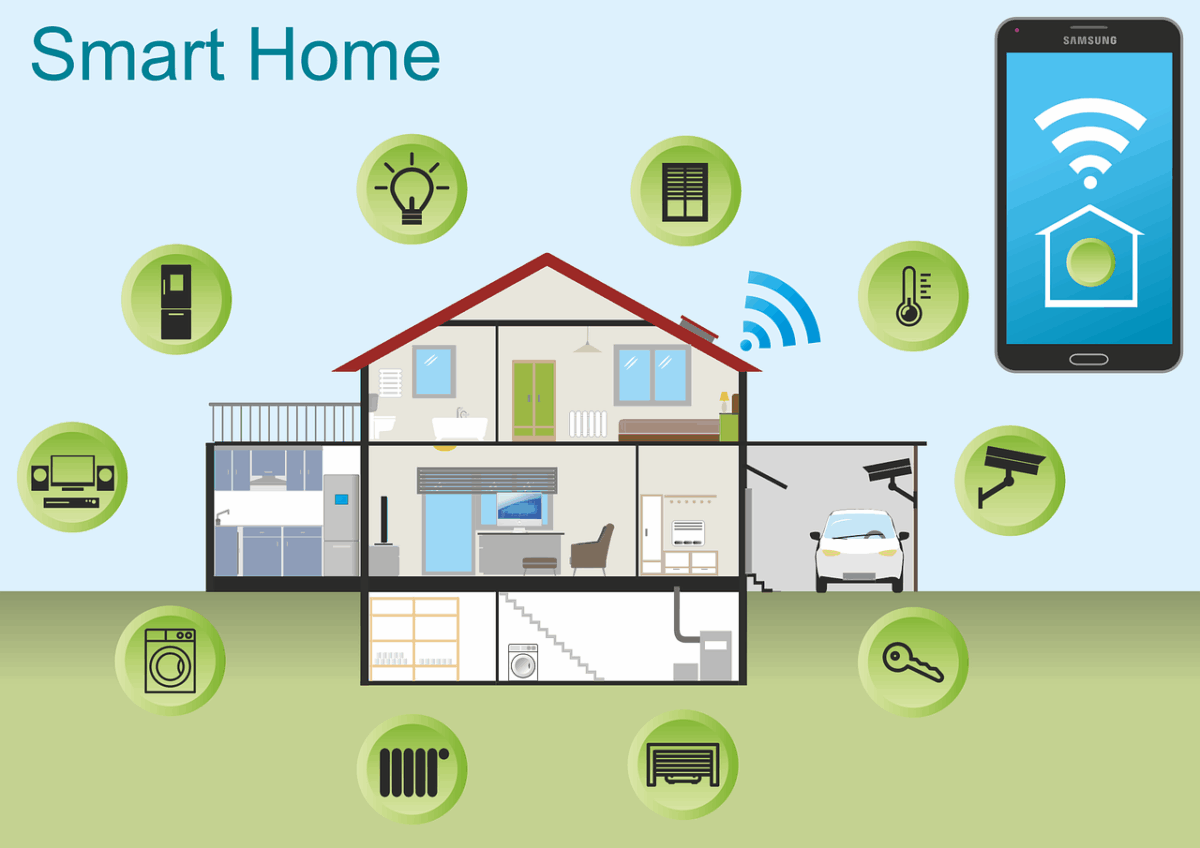
Modern home security systems integrate seamlessly with smart devices such as Alexa, Google Home, or Apple HomeKit. This compatibility allows voice commands, automation, and real-time updates.

Ask the provider:

  • Can the system connect to my existing smart home setup?
  • Does it support smart locks, lights, and cameras?
  • Is the mobile app user-friendly and secure?

Smart integrations can significantly enhance convenience, letting you monitor your home remotely with ease.

What Are the Installation Requirements?

Installation can impact both cost and convenience. Some systems offer DIY installation, which is simple and budget-friendly, while others require professional setup for complex wiring or large properties.

Before committing, ask:

  • What’s included in the installation process?
  • Are there additional costs for professional setup?
  • Will installation affect walls, ceilings, or electrical fittings?

Knowing this helps you prepare your home and avoid unexpected fees.

What Features Are Most Important for My Security?

A home security system’s effectiveness depends on the right combination of features. Common options include:

  • Motion sensors: Detect movement in restricted areas.
  • Door/window sensors: Alert you when an entry point is opened.
  • CCTV cameras: Provide video surveillance for indoor and outdoor monitoring.
  • Smart alarms: Instantly notify you via app alerts or SMS.
  • Video doorbells: Allow you to see and speak to visitors remotely.

Ask which features are essential for your lifestyle. For example, a family with pets might need motion sensors that can differentiate between humans and animals.

What Is the Total Cost of Ownership?

Price is a key consideration, but remember, the cheapest system isn’t always the best. Look at the total cost, including:

  • Upfront equipment cost (cameras, sensors, control panels)
  • Monthly monitoring fees (for professionally monitored systems)
  • Maintenance or repair costs
  • Cloud storage fees (for saving video footage)

Ask for a full breakdown so you can plan your budget realistically.

How Reliable Is the Monitoring Service?

If you choose a monitored system, the quality of the monitoring service is crucial. Ask the provider:

  • Is monitoring available 24/7?
  • How quickly do they respond to alarms?
  • Where is the monitoring centre located?
  • What happens if there’s a false alarm?

A dependable service ensures your home remains protected even when you’re away or offline.

What Happens During Power or Internet Outages?

A reliable home security system should stay functional during outages. Ask whether the system includes:

  • Battery backup: Keeps the system running during power failures.
  • Cellular backup: Ensures monitoring continues if the internet goes down.
  • Offline alerts: Notifies you when the system reconnects.

These safeguards ensure you’re never left unprotected due to technical disruptions.

How Secure Is the Data and Privacy?

With the rise of smart cameras and cloud storage, data security is a top concern. Ask your provider:

  • Is the data encrypted during transmission and storage?
  • Who has access to video recordings?
  • Are updates provided regularly to patch vulnerabilities?

Choose a provider that prioritises cybersecurity to prevent hacking or unauthorised access.

Is There a Warranty or Maintenance Plan?

Even the best systems can encounter technical issues. To protect your investment, ensure the provider offers:

  • Comprehensive warranties on devices and installations.
  • Regular maintenance services for long-term reliability.
  • Customer support that’s easy to reach when problems arise.

A transparent after-sales policy gives you confidence that the company stands by its product.

What Do Reviews and References Say?

Before finalising your purchase, check online reviews, ratings, and testimonials. You can also ask the company for references from previous clients. Look for feedback on:

  • System reliability and performance.
  • Ease of use and installation.
  • Customer service responsiveness.

A company with consistently positive reviews is a safer bet for your home security needs.

Can I Expand or Upgrade Later?

Your home security needs may change over time — you might add new rooms, outbuildings, or smart devices. Ask whether the system can grow with you:

  • Can additional cameras or sensors be added easily?
  • Is the software scalable for future updates?

A flexible system helps you adapt without having to replace the entire setup.

Conclusion

Choosing the right home security system isn’t just about technology; it’s about peace of mind. By asking the right questions, you ensure that the system you invest in fits your space, lifestyle, and budget while offering reliable protection for years to come.

Before signing a contract or clicking “buy,” take time to assess your needs, compare providers, and understand every feature and cost. A thoughtful approach today can safeguard your home and family tomorrow, and that’s an investment truly worth making.

Categories
Blog

CCTV vs Burglar Alarm Systems: Choosing the Right Security Solution for Your Home

When it comes to protecting your home or business, two of the most popular options are CCTV cameras and burglar alarm systems. Both play an important role in enhancing security, but they work differently and serve distinct purposes. Understanding their differences can help you make an informed choice about which one suits your needs better.

In this blog, we’ll explore how both systems work, their unique benefits, and how to decide which is ideal for your property.

Understanding CCTV Systems

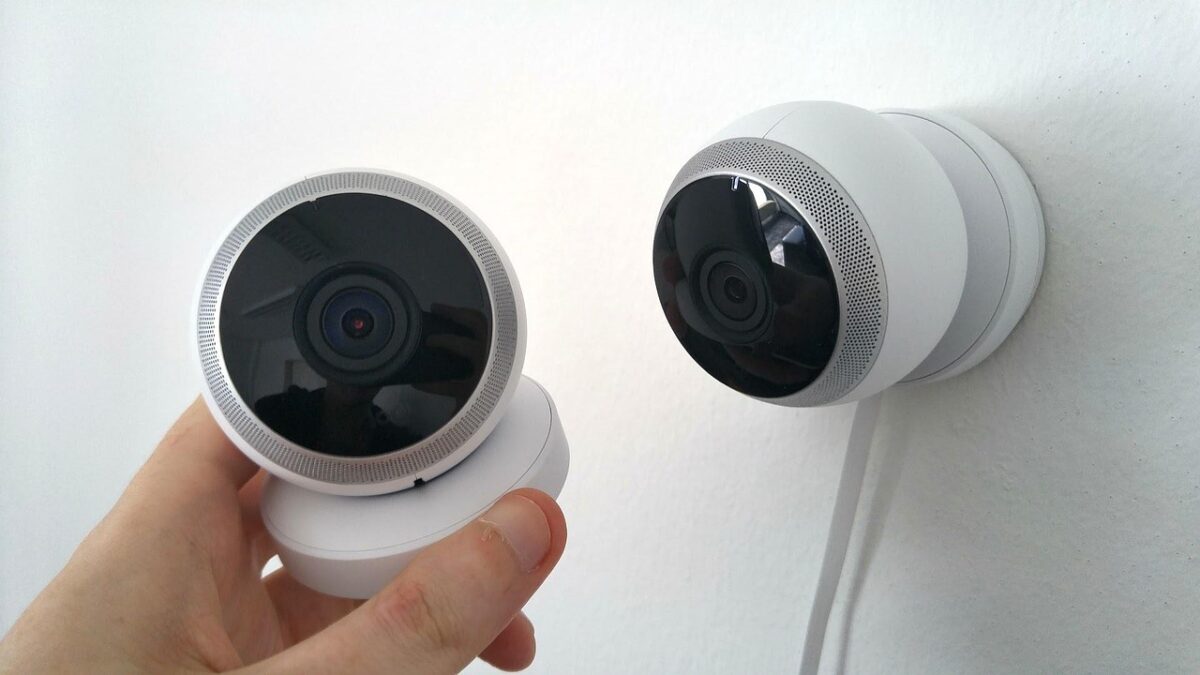
CCTV (Closed-Circuit Television) systems are designed to monitor and record activity around your property. They consist of cameras placed strategically in and around the premises, transmitting footage to monitors or recording devices. Modern CCTV systems often include motion detection, night vision, and remote access via smartphones or computers.

How CCTV Systems Work

CCTV cameras capture live video footage and store it on digital recorders or cloud-based storage. Homeowners or business owners can access real-time video or review recorded footage to identify suspicious activity. Many systems now offer smart notifications, allowing you to view your property anytime, anywhere.

Advantages of CCTV Systems

  1. Visual Deterrent: The presence of cameras alone can discourage potential intruders.
  2. Evidence Collection: Recorded footage can serve as valuable evidence in case of theft, vandalism, or trespassing.
  3. Remote Monitoring: You can view your home or office from your smartphone, providing peace of mind even when you’re away.
  4. Enhanced Coverage: CCTV systems monitor multiple areas simultaneously, including entry points, driveways, and gardens.
  5. Improved Safety: They can also help monitor non-criminal activities, such as accidents or deliveries.

Limitations of CCTV Systems

While effective, CCTV systems don’t actively stop a break-in; they primarily record and alert. Without an alarm or immediate response, they might not prevent damage or theft as quickly as other systems.

Understanding Burglar Alarm Systems

A burglar alarm system is designed to detect unauthorised entry and trigger an alert. It uses sensors placed on doors, windows, and motion-sensitive areas to identify suspicious activity. Once triggered, the alarm produces a loud siren or sends notifications to your phone or security provider.

How Burglar Alarm Systems Work

Burglar alarms rely on a network of sensors connected to a central control panel. When a door or window is opened or motion is detected without authorization, the alarm is activated. Depending on the system type, it may alert the homeowner, a security company, or the police.

Advantages of Burglar Alarm Systems

  1. Immediate Deterrent: A loud siren can scare off burglars before they cause harm or steal anything.
  2. Rapid Response: Many modern systems are linked to monitoring centres for quick emergency response.
  3. Easy Integration: They can be connected to smart home systems for added convenience and control.
  4. 24/7 Protection: Even when you’re away, the system continues to monitor and alert you in real-time.
  5. Lower Insurance Premiums: Some insurers offer discounts for properties equipped with approved alarm systems.

Limitations of Burglar Alarm Systems

While alarms are effective in alerting and deterring intruders, they don’t provide visual verification or recorded evidence. Without CCTV footage, it can be difficult to identify the intruder or prove what happened.

CCTV vs Burglar Alarm: The Key Differences

While both systems improve security, they perform different roles. CCTV provides visual monitoring and evidence, while burglar alarms offer instant alerts and deterrence.

Here’s a simple way to remember it:

  • CCTV helps you see what’s happening.
  • Burglar alarms help you react when something happens.

CCTV is excellent for ongoing surveillance, while alarm systems are best for quick detection. Many homeowners find that combining both systems gives the best protection.

When to Choose CCTV

CCTV systems are ideal if:

  • You want to monitor activity around your property 24/7.
  • You travel often and prefer remote access to your security footage.
  • You live in an area prone to vandalism or trespassing.
  • You need evidence for potential insurance claims or police reports.

CCTV is particularly useful for businesses, apartment complexes, and homeowners who value constant monitoring and visual evidence.

When to Choose a Burglar Alarm System

Burglar alarms are perfect if:

  • You want immediate alerts during a break-in.
  • You live in a high-crime area and need fast deterrence.
  • You prefer a system that triggers loud sirens or police response.
  • You want to protect indoor areas, valuables, or restricted spaces.

Alarm systems work best for homeowners who prioritise immediate response and deterrence over long-term monitoring.

Can CCTV and Burglar Alarms Work Together?

Yes, and in fact, combining them provides the most comprehensive protection. A CCTV system monitors your property visually, while an alarm system alerts you instantly if an intrusion occurs. When both are integrated, you can:

  • Receive real-time video alerts when the alarm is triggered.
  • Visually confirm threats before taking action.
  • Provide recorded evidence for investigations.
  • Enjoy peace of mind knowing your property is both monitored and protected.

Smart home technology now allows homeowners to link their CCTV and alarm systems, controlling both through a single mobile app. This integration provides convenience, safety, and greater efficiency.

Factors to Consider When Choosing a Security System

Before deciding between CCTV and a burglar alarm, consider the following:

  1. Property Type:

Larger properties or commercial spaces benefit from CCTV, while smaller homes might prefer alarms for cost-effective protection.

  • Budget:

CCTV systems can be more expensive due to cameras, storage, and installation. Alarm systems are typically more affordable initially.

  • Security Goals:

Decide whether you want constant monitoring (CCTV), immediate alerts (alarm), or both.

  • Local Crime Rate:

If your area experiences frequent break-ins, a combined system may be worth the investment.

  • Ease of Use:

Look for systems with user-friendly apps, wireless connectivity, and minimal maintenance.

  • Future Expandability:

Choose a system that allows you to add more cameras or sensors as your needs grow.

Why a Combined System Offers the Best of Both Worlds

In today’s world, where security threats are evolving, relying on just one form of protection may not be enough. A hybrid security system that integrates both CCTV and burglar alarms ensures:

  • Constant monitoring,
  • Instant response to threats, and
  • Comprehensive evidence in case of incidents.

This dual approach is particularly useful for families, business owners, and property managers who cannot afford to take risks with safety.

Conclusion

When deciding between CCTV and burglar alarm systems, the right choice ultimately depends on your property’s layout, your lifestyle, and your security priorities.

If you value visual monitoring and evidence collection, CCTV is your best option. If you want instant alerts and deterrence, go for a burglar alarm system. However, for maximum security and peace of mind, combining both systems provides unmatched protection against potential threats.

Investing in the right security solution today ensures your home or business stays safe, secure, and worry-free tomorrow.

Categories
Blog

6 Benefits of Adding Wireless Camera Systems for Home Security

In today’s fast-paced world, home security is no longer a luxury, it is a necessity. With rising concerns about theft, trespassing, and property damage, homeowners are increasingly turning to advanced technologies to safeguard their families. Among these innovations, wireless camera systems have emerged as one of the most reliable and user-friendly security solutions. Unlike traditional wired setups, wireless systems offer greater flexibility, easy installation, and real-time monitoring from anywhere. Whether you live in an apartment, villa, or independent house, a wireless camera setup can drastically improve your safety and peace of mind.

Below are the six biggest benefits of adding wireless camera systems to your home security strategy.

1. Easy Installation Without the Hassle of Wiring

One of the most significant advantages of wireless security cameras is their effortless installation. Traditional CCTV systems require extensive wiring, drilling into walls, and professional setup which often leads to high installation costs. In contrast, wireless systems can be mounted with minimal tools and without altering the home’s structure.

Why it matters:

  • Perfect for rented homes or spaces where permanent changes aren’t allowed.
  • Set up can be completed within minutes.
  • Eliminates messy cables that can affect interior aesthetics.
  • Reduces maintenance and troubleshooting time.

Whether you’re placing cameras indoors or outdoors, the absence of wires gives you the freedom to position the device exactly where you need it.

2. Seamless Remote Access and Real-Time Monitoring

With wireless camera systems, homeowners can view their property anytime and anywhere through mobile apps. This real-time access is a major advantage in today’s lifestyle where people travel frequently or spend long hours at work.

Key features include:

  • Live video streaming on smartphones, tablets, or laptops.
  • Real-time alerts on motion detection.
  • Ability to zoom, pan, or tilt depending on camera type.
  • Two-way communication for interacting with visitors or warning intruders.

Remote monitoring ensures you’re always aware of what’s happening at home, whether it’s checking on kids, monitoring elderly family members, or keeping track of deliveries.

3. Enhanced Flexibility and Scalability

As families grow or home layouts change, security needs evolve. Wireless camera systems offer tremendous flexibility and scalability, allowing homeowners to add or relocate cameras with ease.

Benefits of scalability:

  • You can start with one or two cameras and expand later.
  • Cameras can be repositioned without needing to rewire the entire system.
  • Ideal for properties with complex layouts or multiple floors.
  • Temporary placement is possible during renovations or events.

This adaptability makes wireless systems suitable for almost any home environment and future-proofs your investment.

4. Smart Home Integration for Improved Automation

Modern wireless cameras are designed to integrate seamlessly with other smart home devices, enhancing both security and convenience. For example, cameras can be connected with smart locks, alarms, lighting systems, and voice assistants like Google Home or Alexa.

How this integration helps:

  • Receive automated alerts when someone approaches your door.
  • Use AI features such as person recognition or vehicle detection.
  • Set up routines like turning on lights when motion is detected.
  • Control all devices from a single app or smart hub.

This interconnected ecosystem provides a more proactive approach to security, making your home smart and responsive to threats.

5. Cost-Effective Security Solution

Many homeowners assume that advanced wireless systems are expensive. In reality, they are often more affordable than wired CCTV setups, especially when you consider installation costs.

Cost-saving factors:

  • No need for professional wiring or drilling.
  • Lower maintenance because there are fewer physical components.
  • Cloud storage options eliminate the need for local DVR/NVR units.
  • Entry-level models are budget-friendly and still offer HD quality.

Wireless systems provide excellent value for money by combining modern features with reduced installation and ownership costs.

6. High-Quality Video and Smart Features

Today’s wireless cameras come with impressive technology upgrades that were once available only in high-end security systems.

Key smart features include:

  • Full HD or 4K resolution for crystal-clear footage.
  • Night vision to capture details even in darkness.
  • Wide-angle lenses covering larger areas.
  • Motion sensors and AI-powered detection to minimize false alarms.
  • Cloud and local storage options for secure backup.

These features ensure that every activity around your home is captured accurately, leaving no room for guesswork during security incidents.

Conclusion: A Smart Choice for Modern Homes

Wireless camera systems have transformed home security by making it more accessible, intelligent, and efficient. Their ease of installation, remote monitoring capabilities, and seamless integration with smart home devices make them a powerful tool for protecting your family and property. Whether you want to keep an eye on your children, monitor your entrance, or detect unusual movements around your home, wireless cameras offer the perfect blend of convenience and reliability.

Investing in a wireless security camera system is not just about preventing crime, it’s about gaining peace of mind and staying connected to your home at all times. As technology continues to evolve, these systems will only get smarter, more secure, and more essential for modern households.

Categories
Blog

Landscaping Ideas That Boost Home Security

When we think about home security, the first things that come to mind are alarm systems, CCTV cameras, and strong locks. While these tools are essential, many homeowners overlook an equally powerful layer of protection – landscaping. The way your yard, garden, and outdoor environment are designed can either invite intruders or deter them. Smart landscaping not only enhances your home’s curb appeal but also works as a natural, discreet security system.

In this blog, we’ll explore practical landscaping ideas that boost home security, helping you create an outdoor space that’s both beautiful and safe.

Why Landscaping Matters for Home Security

Landscaping does more than beautify your property, it influences how accessible and appealing your home looks to potential burglars. A house surrounded by dark, hidden areas, tall untrimmed bushes, or poorly placed trees can create perfect cover for intruders. Conversely, a well-lit, thoughtfully designed landscape discourages criminal activity.

The goal is to strike the right balance: a welcoming outdoor space for you and your guests, but one that sends a clear signal to intruders, this home is not an easy target.

1. Strategic Outdoor Lighting

Lighting is one of the simplest and most effective ways to use landscaping for security. Darkness offers cover for burglars, so illuminating key areas makes your property less attractive to intruders.

Tips:

  • Install motion-sensor lights near entrances, pathways, and driveways.
  • Use low-voltage garden lights to brighten walkways and highlight plants, while reducing shadows.
  • Add smart lighting systems that you can control remotely for extra peace of mind.

Lighting your landscape makes it easier for you to see outside and harder for someone to lurk unseen.

2. Thorny and Defensive Plants

Plants aren’t just decorative, they can also act as natural barriers. By choosing the right species, you can make it physically uncomfortable for intruders to get close to windows, fences, or doors.

Examples of Defensive Plants:

  • Bougainvillea – beautiful but thorny.
  • Holly bushes – spiky leaves deter trespassing.
  • Rose bushes – pretty and protective.
  • Barberry shrubs – dense with sharp thorns.

Plant these under windows or along fence lines to create a living “wall” that intruders will think twice about crossing.

3. Maintain Clear Sightlines

Overgrown trees, tall hedges, or bulky shrubs may add privacy, but they also give burglars places to hide. Maintaining open sightlines from the street and inside your home is crucial.

Tips:

  • Trim trees and hedges regularly, especially those near entrances.
  • Keep shrubs below window height to eliminate hiding spots.
  • Avoid dense plantings around doors and gates.

By maintaining visibility, neighbors, passersby, and even you can easily spot suspicious activity.

4. Security-Friendly Fencing

Fences are the most direct landscaping element tied to security, but not all fences offer equal protection. A tall, solid wooden fence may provide privacy, but it can also give cover to burglars once they climb over.

Best Options:

  • Wrought iron or metal fences – allow visibility while remaining difficult to climb.
  • Chain link fences – affordable and effective when combined with thorny plants.
  • Spiked tops or trellises – discourage climbing attempts.

Pairing fencing with landscaping (such as climbing roses or bougainvillea) enhances both security and appearance.

5. Gravel Pathways and Driveways

Gravel isn’t just an aesthetic choice, it’s also a security tool. Walking on gravel creates noise, making it hard for intruders to approach silently.

Ideas:

  • Line pathways, driveways, or areas around windows with gravel.
  • Combine gravel with lighting for added security and style.

It’s a simple yet effective deterrent that also adds charm to your landscape design.

6. Use Landscaping to Guide Visitors

Smart landscaping can help direct foot traffic where you want it—toward entrances and away from vulnerable areas.

Tips:

  • Use walkways, hedges, or flower beds to guide guests to the front door.
  • Add decorative gates and arches to reinforce boundaries.
  • Avoid creating hidden, unused corners that intruders can exploit.

The design of your yard can make it clear where visitors are welcome and where they are not.

7. Secure Trees and Climbing Structures

Trees can be beautiful, but they can also act as ladders for intruders if planted too close to your home.

Tips:

  • Keep trees at least 10 feet away from the house.
  • Trim branches that could give access to upper-floor windows or balconies.
  • Avoid placing trellises, pergolas, or climbing vines near entry points.

A thoughtful layout ensures your trees and structures enhance your landscape without compromising safety.

8. Smart Use of Surveillance Integration

Modern landscaping can work hand-in-hand with technology. Surveillance cameras can be strategically hidden in your garden design without looking intrusive.

Ideas:

  • Mount cameras on trees, pergolas, or decorative posts.
  • Use lighting features to highlight surveillance zones.
  • Hide wiring within landscaping elements for a clean look.

This creates a security system that blends seamlessly into your outdoor environment.

9. Water Features as Security Barriers

Water features such as ponds or streams not only add tranquility but also serve as barriers that make accessing your property more difficult.

Examples:

  • A shallow pond beneath a vulnerable window.
  • A stream or rock-lined water feature along fence lines.
  • Fountains that double as noise deterrents for footsteps.

These add beauty while subtly increasing protection.

10. Regular Maintenance Matters

Even the best landscaping ideas lose their effectiveness if neglected. Overgrown plants, broken lights, or fallen branches can create risks rather than prevent them.

Tips:

  • Inspect and trim vegetation monthly.
  • Check that all security lights and cameras remain unobstructed.
  • Replace damaged fencing or gravel areas promptly.

A well-maintained landscape signals that your property is cared for, reducing its appeal to burglars.

Conclusion

When it comes to home security, landscaping is often underestimated. Yet, it’s one of the most effective ways to create natural defenses, discourage intruders, and complement modern security systems. From thorny plants and gravel pathways to strategic lighting and fencing, your yard can serve as the first line of defense against threats.

By combining beauty with practicality, you can enjoy a safe, welcoming outdoor space that protects your loved ones and your property. Remember, good security starts from the outside in, and your landscape is the perfect place to begin.

Categories
Blog

Why Every Home Needs an Intruder Alarm System?

In today’s world, where security concerns are higher than ever, protecting your home and loved ones is a top priority. One of the most effective ways to enhance safety and deter crime is by installing an intruder alarm system. For many homeowners, the thought of someone breaking into their home is unsettling. Beyond the financial loss of valuables, the emotional toll of feeling unsafe in your own space can be devastating. This is where an intruder alarm system plays a crucial role. It provides round-the-clock protection, peace of mind, and a sense of control over your environment.

This blog explores the reasons why every home should have an intruder alarm system, how it works, and the long-term benefits it offers.

1. Acts as a Strong Deterrent

The mere presence of an intruder alarm system can discourage potential burglars from targeting your property. Criminals typically look for easy targets where they can break in quickly without attracting attention. When they see alarm systems, motion detectors, or security signage, they are far more likely to move on to another property.

Studies have consistently shown that homes with visible alarm systems are far less likely to be burgled compared to those without. Prevention is always better than dealing with the aftermath of a burglary.

2. Immediate Response to Unauthorized Access

Intruder alarm systems are designed to detect unauthorized entry in real-time. The moment someone tries to break into your home through doors or windows, the alarm is triggered. Depending on the type of system, this can result in loud sirens, flashing lights, or even direct alerts to a monitoring center or your smartphone.

This immediate response reduces the burglar’s time on your property, increases the likelihood of them fleeing, and alerts you or neighbors instantly. The faster the response, the lower the risk of damage or loss.

3. Protects Your Family and Loved Ones

While valuables can be replaced, your family’s safety is irreplaceable. One of the biggest advantages of intruder alarm systems is that they protect your loved ones from potential harm. Whether you are at home asleep or away on holiday, an intruder alarm provides an added layer of defense.

Many systems can be customized to monitor specific areas of the house, ensuring vulnerable entry points are always under surveillance. For families with children, elderly members, or individuals living alone, the reassurance of knowing the home is protected is priceless.

4. Peace of Mind When You’re Away

Holidays and business trips can be stressful if you are constantly worried about what’s happening back home. An intruder alarm system eliminates this stress by ensuring your property is monitored 24/7.

Modern systems can send real-time notifications to your smartphone, allowing you to check the status of your home no matter where you are. Some advanced systems are even integrated with smart home devices, enabling remote monitoring through cameras and sensors. This level of control makes it easier to relax when you’re away.

5. Lower Home Insurance Premiums

Many insurance companies recognize the importance of intruder alarm systems and reward homeowners who invest in them. Installing a reliable security system can reduce your home insurance premiums, saving you money over time.

Insurers know that alarm-protected homes are less likely to be burglarized, which lowers their risk. By proving that your home is secure, you not only protect your property but also gain financial benefits.

6. Safeguards Valuables and Irreplaceable Items

Every household has items that hold significant value, whether it’s jewelry, electronics, important documents, or family heirlooms. While money can replace certain things, sentimental items often have no substitute.

An intruder alarm system helps protect these possessions by ensuring any attempt to access them is detected immediately. Some systems even include safes or advanced features like glass-break sensors, adding an extra layer of protection for high-value items.

7. Adaptability to Modern Technology

Today’s intruder alarm systems are not just sirens; they are smart, adaptable, and integrated with advanced technology. You can now link alarms with CCTV cameras, smart locks, motion detectors, and even voice assistants.

This adaptability allows homeowners to create a fully customized security system tailored to their needs. For example, you can set the alarm to activate only at night, or integrate it with lighting to simulate someone being home while you’re away. These modern features make intruder alarms more efficient and user-friendly than ever before.

8. Adds Value to Your Property

A home equipped with a modern security system is more attractive to buyers. When selling a property, potential homeowners view an intruder alarm system as a valuable addition that saves them time, money, and effort.

By investing in home security, you not only protect your household but also increase the market value of your property. It shows buyers that safety has been prioritized, which can make your home stand out in competitive housing markets.

9. Reduces Emergency Response Times

Many professional alarm systems are connected to a monitoring service or local authorities. In the event of a break-in, the system can instantly alert emergency responders, ensuring they arrive quickly. This rapid response can make a significant difference in preventing theft or damage.

When every second counts, having a system that communicates directly with emergency services is invaluable.

10. Long-Term Cost-Effective Investment

Some homeowners hesitate to install intruder alarms due to initial costs, but it’s important to view them as a long-term investment. The cost of recovering from a burglary, whether through stolen valuables, property repairs, or emotional distress, can far exceed the price of installing a reliable alarm system.

Over time, the peace of mind, lower insurance premiums, and protection from financial loss make intruder alarms highly cost-effective.

Conclusion

An intruder alarm system is no longer a luxury; it is a necessity. With rising security concerns, protecting your home and family should always be a priority. From deterring burglars to offering peace of mind, reducing insurance costs, and safeguarding your loved ones, intruder alarms provide countless benefits that far outweigh the initial investment.

Every home, regardless of its size or location, can benefit from the added protection of a reliable alarm system. By installing one, you are not just protecting your property, you are investing in safety, security, and peace of mind for years to come.

Categories
Blog

How Video Doorbells Enhance Home Security and Neighborhood Safety

In recent years, smart home technology has become more than just a luxury, it has become an essential tool in protecting our homes and loved ones. Among the most popular innovations is the video doorbell, a simple yet powerful device that has transformed the way homeowners monitor and safeguard their properties. With features such as live video streaming, motion detection, two-way audio, and cloud storage, video doorbells not only improve individual home security but also contribute to the overall safety of entire neighborhoods.

This blog explores how video doorbells enhance both home security and community safety, while also highlighting why investing in one can be a wise decision for modern homeowners.

The Rise of Video Doorbells

Once, a doorbell was just a button that alerted you to someone’s presence. Today, video doorbells integrate advanced technology, functioning as a surveillance camera, intercom system, and security guard in one. Affordable pricing, ease of installation, and smartphone compatibility have made them one of the most widely adopted smart security devices.

More than just convenient gadgets, they play a crucial role in deterring crime, increasing homeowner awareness, and improving response times to suspicious activity.

How Video Doorbells Improve Home Security

1. Deterrence Against Intruders

Criminals often target homes they believe are unmonitored. A visible video doorbell acts as a strong deterrent, discouraging potential burglars or porch pirates from approaching. Knowing their actions are being recorded is often enough to make them move on.

2. 24/7 Monitoring

Most video doorbells provide round-the-clock surveillance, capturing video even when homeowners are away. Whether it’s a late-night visitor or an unexpected delivery, you can monitor your front door at any time through your smartphone.

3. Motion Detection Alerts

Advanced models use motion sensors to notify homeowners of movement near the door. These alerts allow you to act quickly whether that means turning on exterior lights, activating alarms, or simply checking who’s there.

4. Two-Way Communication

With built-in microphones and speakers, video doorbells allow for two-way conversations. This means you can speak to delivery drivers, guests, or even suspicious individuals without opening the door. For parents, it’s also a safe way for children to communicate without risking exposure to strangers.

5. Evidence Collection

If an incident occurs, video recordings can provide critical evidence for law enforcement or insurance claims. Clear video and audio help identify suspects, timelines, and activities, strengthening your case in the event of theft or vandalism.

Neighborhood Safety Benefits

Video doorbells don’t just protect individual homes, they also contribute to broader community safety. Here’s how:

1. Shared Footage Helps Solve Crimes

Many neighborhoods now use community security networks, where homeowners share video footage with neighbors or police. A video captured by one homeowner might help solve a crime that happened next door.

2. Creates a Sense of Vigilance

When several households in a neighborhood install video doorbells, it creates a collective deterrent. Criminals quickly recognize that the area is under digital surveillance and are less likely to target homes there.

3. Assists in Monitoring Deliveries

Package theft, or “porch piracy,” is a growing issue. With video doorbells, neighbors can alert each other to deliveries left unattended and discourage opportunistic thieves.

4. Encourages Community Engagement

Many video doorbell apps allow sharing real-time alerts with neighbors, such as suspicious visitors, unusual activity, or attempted thefts. This fosters a spirit of collaboration and watchfulness within communities.

Additional Benefits Beyond Security

While safety is the primary function, video doorbells also bring practical advantages to everyday life:

  • Convenience for Deliveries: You can instruct delivery personnel on where to leave packages, reducing the risk of missed parcels.
  • Remote Access: Whether at work or on vacation, you can always check who’s at your door.
  • Visitor Screening: No more surprises video doorbells let you identify and choose whether to answer.
  • Peace of Mind for Families: Parents can monitor when kids arrive home from school, and elderly residents can safely screen visitors.

Choosing the Right Video Doorbell

If you’re considering installing one, here are some factors to keep in mind:

Video Quality – Look for HD resolution and night vision for clear footage.

Field of View – A wider angle ensures you capture more of your doorstep and surrounding area.

Power Source – Options include battery-powered or hardwired models, depending on your home setup.

Integration – Choose a device that works well with your existing smart home system (e.g., Alexa, Google Home).

Storage Options – Some offer cloud storage, while others include local storage on an SD card.

Subscription Costs – Certain brands require monthly fees for access to full features like video history.

Overcoming Privacy Concerns

One concern with video doorbells is privacy. Neighbors or passersby may feel uncomfortable being recorded. To minimize issues:

  • Position the camera to cover your property only.
  • Adjust motion detection zones to avoid unnecessary recordings.
  • Be transparent with neighbors if your device records shared spaces.

Balancing privacy with security ensures these devices benefit the community without causing disputes.

The Future of Video Doorbells

As technology evolves, video doorbells will continue to improve with features like:

  • AI-driven recognition that distinguishes between people, animals, and vehicles.
  • Facial recognition to identify family members versus strangers.
  • Integration with other security systems, including alarms and smart locks, for a seamless defense.
  • Faster cloud storage and advanced encryption, ensuring both data security and user privacy.

These advancements will further solidify video doorbells as central components of home and neighborhood safety.

Conclusion

Video doorbells represent one of the most effective ways to modernize home security. By providing real-time monitoring, motion alerts, two-way communication, and evidence collection, they empower homeowners to stay informed and protected. Beyond individual benefits, they foster safer neighborhoods by deterring criminals, encouraging vigilance, and creating a connected community.

Investing in a video doorbell isn’t just about convenience, it’s about securing your family, your property, and your neighborhood. In a world where safety and awareness are more important than ever, these devices offer peace of mind and a safer future for all.

Categories
Blog

Ways to Cut Costs on Security Systems Without Risk

Security systems have become a necessity for homes and businesses alike. They provide peace of mind, deter potential criminals, and protect property, assets, and lives. However, the cost of installing and maintaining a security system can sometimes feel overwhelming. The good news is, you don’t have to compromise safety to save money. With the right strategies, you can cut costs on your security systems without putting your home or business at risk.

In this article, we’ll explore practical, effective, and safe ways to lower the expenses associated with security systems.

1. Choose the Right Security System for Your Needs

One of the most common mistakes people make is overbuying when it comes to security systems. High-end systems with advanced features may look impressive, but if you don’t need them, you’re just spending unnecessarily.

Instead, evaluate your actual needs:

  • Do you need a full business-grade security system, or will a basic smart home system suffice?
  • How large is the area that needs surveillance?
  • Do you need 24/7 monitoring or will self-monitoring work for you?

By matching the system to your requirements, you can avoid paying for features you’ll never use.

2. Consider DIY Installation

Professional installation can significantly increase the total cost of a security system. While hiring experts may be necessary for large or complex setups, many modern security devices are designed for easy DIY installation. Wireless cameras, smart locks, and motion sensors often come with user-friendly apps and instructions.

Benefits of DIY installation include:

  • No labor costs – you only pay for the equipment.
  • Flexibility – you can expand or reposition devices as needed.
  • Quick setup – many devices are operational in under an hour.

If you’re confident with basic tech, DIY installation is one of the easiest ways to save money without sacrificing safety.

3. Opt for Wireless Systems

Wired systems often require professional installation and may involve drilling, cabling, and other infrastructure costs. Wireless systems, on the other hand, are generally more affordable, easier to install, and provide flexibility if you decide to move or rearrange your home or office.

Additionally, many wireless systems work with your smartphone, allowing you to monitor activity without paying for expensive monitoring packages.

4. Use Smart Home Devices for Security

Smart home automation can double as security. Instead of buying separate devices for everything, consider investing in multifunctional smart devices. For example:

  • Smart doorbells with cameras let you see and talk to visitors.
  • Smart bulbs can be programmed to turn on and off, giving the illusion of someone being home.
  • Smart speakers can integrate with alarms and notifications.

By integrating smart devices into your security setup, you get both convenience and safety without extra costs.

5. Avoid Unnecessary Monitoring Fees

Many companies charge hefty monthly fees for 24/7 professional monitoring. While this is useful in some cases, it may not always be necessary. If you’re comfortable keeping an eye on things yourself, self-monitoring through smartphone apps can be just as effective.

Some companies even offer no-contract monitoring, where you only pay for the months you want coverage (e.g., during travel). This flexible approach reduces ongoing costs while keeping you protected when needed.

6. Buy Security Devices in Bundles

Instead of purchasing individual devices, look for security system bundles. Manufacturers and retailers often provide discounts when you buy a complete package, such as a set of cameras, sensors, and a central hub.

This not only saves money upfront but also ensures compatibility between devices, reducing potential issues down the road.

7. Reuse and Upgrade Existing Equipment

Before buying a new system, check if you can reuse parts of your existing one. Many modern systems are compatible with older cameras, sensors, or alarms. Simply upgrading the control hub or adding smart features can modernize your setup at a fraction of the cost of replacing everything.

8. Compare Providers and Negotiate Contracts

If you decide to go with a professional monitoring service, don’t accept the first quote. Compare different providers, check for hidden charges, and negotiate better terms. Many companies offer promotions, price matches, or discounts if you’re switching from a competitor.

Being proactive about negotiations can significantly cut your long-term expenses.

9. Take Advantage of Insurance Discounts

Many home insurance companies offer discounts if you install a security system. By providing proof of your system, you could reduce your premium, effectively offsetting the cost of installation and monitoring.

Be sure to check with your insurance provider to see what discounts are available.

10. Perform Regular Maintenance

Neglecting maintenance can result in system malfunctions, costly repairs, or even the need for a full replacement. Simple steps like cleaning camera lenses, checking batteries in sensors, and updating software can extend the life of your system and prevent unnecessary expenses.

Think of it as preventive care a little upkeep saves a lot of money in the long run.

11. Use Security Signage and Deterrents

Sometimes, prevention is the best form of security. Signs and stickers that indicate the presence of a security system can deter intruders, even if your setup is relatively basic. Similarly, motion-activated lights are affordable yet highly effective deterrents.

These small investments add an extra layer of security without increasing costs significantly.

12. Start Small and Expand Over Time

If you’re on a tight budget, don’t feel pressured to buy an entire system at once. Many security systems allow you to start with a basic kit and add devices later. For example, you can begin with one camera and a motion sensor, then expand to cover more areas as your budget allows.

This staged approach spreads out costs while ensuring you remain protected.

Conclusion

Securing your home or business doesn’t have to drain your wallet. By carefully choosing the right system, opting for DIY installation, reusing equipment, and being strategic with monitoring and maintenance, you can enjoy strong security while keeping costs low.

The key is to cut unnecessary expenses without cutting corners on safety. Smart planning, regular upkeep, and making the most of modern technology will allow you to protect what matters most without financial strain.

Categories
Blog

How Security Teams Watch Over Your Home Day and Night

Home security has become a top priority for many homeowners. With rising concerns about burglary, vandalism, and personal safety, having a reliable security team in place can give you peace of mind 24/7. Unlike traditional lock-and-key protection, today’s professional security teams use advanced technology, proven strategies, and continuous monitoring to ensure that your property is protected both during the day and throughout the night.

In this article, we’ll explore how security teams keep a watchful eye over your home, the methods they use, and why round-the-clock protection is essential.

1. The Role of Security Teams in Modern Home Protection

A professional security team’s job goes far beyond simply responding to emergencies. Their responsibilities typically include:

  • 24/7 monitoring: Watching for suspicious activity in and around the home.
  • Patrols and inspections: Conducting physical checks to deter trespassers.
  • Alarm response: Acting immediately when an alarm is triggered.
  • Surveillance management: Monitoring camera feeds in real-time.
  • Incident prevention: Taking proactive measures before problems occur.

This constant vigilance helps ensure that your home is not only secured but also monitored with quick responses in case of an emergency.

2. Daytime Security: Visible Deterrence and Proactive Measures

During the day, most families are busy with work, school, or daily activities. Even though crime rates are often lower in daylight, security threats still exist.

Here’s how security teams protect your home during the day:

  • Visible presence: Security officers or patrol vehicles serve as a deterrent for potential burglars.
  • Visitor management: Teams can monitor who enters the property, whether service providers, delivery drivers, or guests.
  • Regular patrols: Walking or vehicle patrols ensure there are no weak points in your home’s perimeter.
  • Monitoring deliveries and access: Security staff can oversee the receipt of packages or service visits to prevent fraud.

Daytime security is about reducing risk before it escalates. With professional teams in place, threats can often be addressed before they even reach your doorstep.

3. Nighttime Security: Silent, Uninterrupted Vigilance

Nighttime is when homes are most vulnerable. Criminals often prefer the cover of darkness, making it essential to have strong security measures in place.

Security teams watch over your property at night by:

  • Advanced camera surveillance: Using night-vision CCTV and motion sensors to detect unusual activity.
  • Perimeter checks: Ensuring gates, doors, and windows are secured.
  • Alarm monitoring: Responding instantly to alerts triggered by motion, fire, or intrusion sensors.
  • Silent patrolling: Discreet patrols prevent suspicious individuals from knowing they’re being watched.

A nighttime security team acts as your invisible shield, ensuring your family can sleep peacefully knowing someone is always on guard.

4. The Technology Behind 24/7 Security

Modern security services combine human expertise with smart technology to provide comprehensive protection. Some key tools used by teams include:

  • CCTV surveillance systems with live-feed monitoring.
  • Motion and thermal sensors to detect unusual movement.
  • Access control systems that log entries and exits.
  • Alarm integration connected directly to monitoring centers.
  • Drones and remote monitoring for large properties.

This blend of human presence and technology makes today’s security solutions more effective than ever.

5. Rapid Response and Emergency Handling

Security teams aren’t just there to observe; they are trained to act. If a threat arises, they can:

  • Contact emergency services immediately.
  • Confront intruders or trespassers safely and effectively.
  • Guide homeowners during emergencies like fire or break-ins.
  • Secure the property until the danger has passed.

Response time is critical in emergencies. With security teams monitoring day and night, delays are minimized, and situations can be handled swiftly.

6. Why Homeowners Trust 24/7 Security Teams

Homeowners choose professional security coverage for several reasons:

  • Peace of mind: Knowing your family and property are protected.
  • Deterrence factor: Criminals avoid properties with visible security measures.
  • Insurance benefits: Many insurers reduce premiums for homes with monitored security.
  • Round-the-clock vigilance: Protection doesn’t stop when you’re asleep or away.

For families who travel often or own high-value properties, having a dedicated security team can make all the difference.

7. The Human Element: Trained Security Professionals

While technology is vital, the expertise of trained security professionals remains irreplaceable. Security personnel undergo training in:

  • Emergency response and first aid.
  • Conflict de-escalation.
  • Surveillance monitoring and reporting.
  • Crisis management.
  • Communication with law enforcement.

This human element ensures that your home security isn’t just reactive but also intelligent and proactive.

8. Future of Home Security Teams

The future of home security is evolving rapidly. Soon, we may see even more advanced tools integrated into daily monitoring, such as:

  • Artificial intelligence surveillance: Smart systems that detect suspicious behavior patterns.
  • Smart home integration: Seamless connection with lighting, locks, and alarms.
  • Facial recognition access controls: Allowing only authorized individuals onto the property.
  • Remote homeowner monitoring: Owners can check live feeds anytime via smartphone apps.

Even as technology advances, the combination of smart systems and professional teams will continue to deliver the strongest form of protection.

Conclusion

Your home is more than just a structure, it’s a place where your family feels safe. Security teams play a crucial role in maintaining that safety day and night. With a mix of visible deterrence, advanced technology, and quick response capabilities, these teams ensure that your property is always under watchful protection.

Whether it’s a suspicious noise in the middle of the night or managing access during the day, professional security ensures you’re never alone in protecting your home. Investing in 24/7 monitoring is not just about safeguarding possessions; it’s about preserving peace of mind and ensuring safety at all times.

Categories
Blog

Top 5 Home Security Tips for Summer

Summer is a time many families look forward to, filled with vacations, outdoor activities, and long, sunny days. However, the season also brings an increase in home burglaries and security risks. Longer daylight hours, open windows, and extended absences from home make properties more vulnerable to intruders. To ensure peace of mind during this season, it is essential to adopt reliable home security measures. Below, we outline the top five home security tips for summer that can help protect your home and loved ones.

1. Secure Doors and Windows Effectively

One of the most common entry points for burglars is through unlocked doors and windows. During summer, it is tempting to leave them open to let in fresh air, but this creates easy access for intruders.

  • Invest in quality locks: Ensure all exterior doors are fitted with deadbolts and reinforced strike plates. For sliding glass doors, use security bars or anti-lift devices to prevent forced entry.
  • Upgrade window security: Install window locks or key-operated latches. For ground-level windows, consider adding window sensors or shatter-resistant film to deter break-ins.
  • Adopt smart solutions: Modern smart locks and window sensors can alert you if a door or window is left open or tampered with.

By prioritizing proper door and window security, you eliminate the simplest ways burglars gain access to homes during summer.

2. Install a Reliable Home Security System

A comprehensive home security system remains one of the best deterrents against burglary. Today’s systems go beyond just sirens and offer advanced features that allow you to monitor your home even when you are away.

  • Cameras and motion detectors: Place security cameras at entry points such as the front door, back door, and garage. Motion-sensor lights around your property can also discourage potential intruders.
  • Smart monitoring: Choose a monitored alarm system that alerts a professional service or sends instant notifications to your smartphone in case of suspicious activity.
  • Video doorbells: A video doorbell allows you to see and communicate with visitors remotely, which adds an additional layer of security.

The visibility of security systems alone can deter burglars from targeting your property.

3. Be Smart About Vacation Plans

Summer is synonymous with travel. Unfortunately, an empty home is a tempting target for burglars. Taking precautions before leaving for vacation can significantly reduce the risk of a break-in.

  • Avoid oversharing on social media: Posting travel plans and updates online can signal to intruders that your home is unoccupied. Share vacation photos after returning instead.
  • Make your home look occupied: Use smart plugs or timers to turn lights and appliances on and off at random intervals. Arrange for a neighbor or friend to collect mail and packages to prevent them from piling up.
  • Notify trusted people: Inform a reliable neighbor or family member about your absence so they can keep an eye on your property.

These small actions create the illusion of occupancy, discouraging burglars from targeting your home.

4. Light Up Your Property

Burglars prefer to operate under the cover of darkness, and poor lighting makes it easier for them to approach unnoticed. Proper outdoor lighting is both a safety measure and a deterrent.

  • Motion-activated lights: Install motion-sensor lights around entry points, driveways, and backyards. The sudden illumination can scare off intruders.
  • Pathway lighting: Use solar or LED lights to brighten walkways and garden paths. This not only enhances curb appeal but also reduces hiding spots.
  • Smart lighting controls: With smart technology, you can schedule lights to turn on in the evening even when you are not home, giving the impression of activity inside.

Well-lit homes are far less attractive to criminals, making lighting a simple but effective security solution.

5. Maintain Outdoor Areas and Secure Valuables

Your yard and outdoor spaces can inadvertently provide opportunities for burglars. Taking care of these areas is an essential part of home security.

  • Trim shrubs and trees: Overgrown bushes and trees near windows and doors can serve as hiding places for intruders. Regularly trimming them improves visibility.
  • Secure outdoor equipment: Bicycles, grills, lawnmowers, and other valuables left in the yard can attract thieves. Store them in a locked garage or shed when not in use.
  • Check fences and gates: Ensure all fences, gates, and garage doors are in good condition with working locks. Weak or broken areas make it easier for trespassers to enter.

By maintaining your outdoor areas and securing visible belongings, you eliminate easy opportunities for burglars.

Additional Summer Security Tips

While the five main tips above cover the essentials, there are extra steps you can take for added protection:

  • Get to know your neighbors: Strong neighborhood connections help foster a watchful community. Neighbors can quickly spot suspicious activity and alert you.
  • Use a safe for valuables: Store important documents, jewelry, and cash in a fireproof, tamper-resistant safe inside your home.
  • Regularly test security devices: Ensure cameras, alarms, and lights are functioning correctly before leaving for vacation or spending extended hours outdoors.

These additional measures complement your overall home security strategy.

Conclusion

Summer should be a time of relaxation and enjoyment, not stress about home safety. By securing doors and windows, installing a robust security system, being cautious with vacation habits, investing in proper outdoor lighting, and maintaining your property, you significantly reduce the risk of burglary. Simple yet effective precautions can give you peace of mind, whether you are away on holiday or simply enjoying long summer evenings.

Implementing these top five home security tips ensures that you, your family, and your property remain safe, allowing you to enjoy the best of summer without unnecessary worry.

Categories
Blog

Local Alarm vs. Monitored Alarm Systems: Which One Truly Keeps You Safe?

In an age where security threats can range from petty theft to organised burglaries, investing in a reliable alarm system is no longer optional, it’s essential. But with so many options available, one question often confuses homeowners and business owners alike: Should you choose a local alarm system or a monitored alarm system?

Both options aim to protect your property, but they work differently and come with unique advantages and limitations. The right choice depends on your security needs, lifestyle, and budget. Let’s explore the differences in detail so you can decide which one truly keeps you safe.

Understanding the Basics

Local Alarm Systems

A local alarm system sounds a loud siren or alert on the premises when triggered by events like a door being forced open, a motion sensor detecting movement, or a window being broken.

Key points:

  • No direct connection to a security monitoring center
  • Relies on noise to scare intruders and alert occupants or nearby neighbours
  • May include flashing lights for visibility

Monitored Alarm Systems

A monitored alarm system is connected to a 24/7 professional monitoring center. When the system detects a breach, it sends an immediate signal to the monitoring team, who can then:

  • Contact the property owner
  • Notify the police, fire department, or emergency services
  • Dispatch security personnel if required

How They Differ in Operation

1. Response Time

  • Local Alarm – Relies on you, neighbours, or passers-by to hear and respond to the alarm. If no one reacts quickly, the intruder may still succeed.
  • Monitored Alarm – The monitoring team responds within seconds and takes action, even if you’re away or asleep.

2. Dependence on Human Presence

  • Local Alarm – Works best if people are nearby to hear it.
  • Monitored Alarm – Works regardless of whether anyone is at the property.

3. Connectivity

  • Local Alarm – Usually standalone; no internet or telephone connection needed.
  • Monitored Alarm – Uses landline, mobile network, or broadband to communicate with the monitoring station.

Pros and Cons of Local Alarm Systems

Advantages:

Lower Cost – No monthly monitoring fees; only installation and maintenance costs.

Simple Setup – Easy to install, with many DIY options available.

No Dependency on Service Providers – Works independently without requiring ongoing contracts.

Disadvantages:

Limited Response Assurance – If no one hears it, no action is taken.

False Alarm Fatigue – Frequent false alarms may cause people to ignore them.

Not Ideal for Remote Locations – Rural areas may have fewer people to notice and respond.

Pros and Cons of Monitored Alarm Systems

Advantages:

Immediate Emergency Response – Professionals act within seconds of detection.

Peace of Mind – Constant surveillance, even when you’re away or travelling.

Extra Safety Features – Some systems also monitor for fire, carbon monoxide, or medical emergencies.

Disadvantages:

Higher Cost – Ongoing monthly or annual monitoring fees.

Reliance on Communication Lines – System effectiveness depends on a reliable connection.

Possible Contract Lock-ins – Some services require long-term commitments.

Which One Is More Effective?

Effectiveness depends largely on your circumstances:

  • Urban Areas with Close Neighbours – A local alarm might be effective if you live in a densely populated area where people are likely to hear and respond to a siren.
  • Remote Properties or High-Risk Areas – A monitored alarm offers better protection since it doesn’t depend on someone being nearby to respond.
  • Businesses and High-Value Properties – Monitored alarms provide more comprehensive coverage, especially if the premises are vacant after hours.

Cost Comparison

Local Alarm:

  • Installation: £150–£500
  • Maintenance: £50–£100/year
  • Monthly fees: None

Monitored Alarm:

  • Installation: £200–£800
  • Monitoring fees: £15–£40/month
  • Maintenance: £50–£150/year

While monitored alarms cost more, the added security may be worth it for high-risk situations.

Technology Advancements in Alarm Systems

Today’s alarms are far more advanced than older models. Whether local or monitored, modern systems may include:

  • Wireless Sensors – Easier installation and expansion
  • Mobile App Integration – Receive instant alerts on your phone
  • Smart Home Compatibility – Integrates with cameras, locks, and lighting
  • Battery Backup – Keeps working during power outages

Some monitored systems now also use AI-powered threat detection to reduce false alarms, while local alarms can be paired with CCTV for better evidence collection.

Making Your Decision

Ask yourself:

How quickly can you or someone else respond in case of an alarm?

Do you live in a high-crime or isolated area?

Is budget a major deciding factor?

Do you want 24/7 monitoring for emergencies beyond burglary (fire, gas leaks, medical alerts)?

If you value immediate professional response and maximum security, a monitored system is worth the investment. If you want a cost-effective solution for a well-populated area, a local alarm may suffice.

Best of Both Worlds: Hybrid Alarm Systems

Some homeowners opt for hybrid systems, local alarms with optional monitoring services. This way, you have an audible deterrent on-site, but also professional backup when needed. These systems can be switched between monitored and non-monitored modes based on your requirements.

Final Thoughts

When it comes to safety, both local and monitored alarms have their place. Local alarms can deter intruders and alert nearby people quickly, but they depend heavily on human presence for an effective response. Monitored alarms, on the other hand, provide a rapid, reliable, and professional reaction, but come with higher costs.

Ultimately, the “best” system is the one that fits your lifestyle, location, and security priorities. Whether you choose a simple siren or a fully monitored network, ensuring proper installation, regular maintenance, and user training will keep your property and your peace of mind well protected.