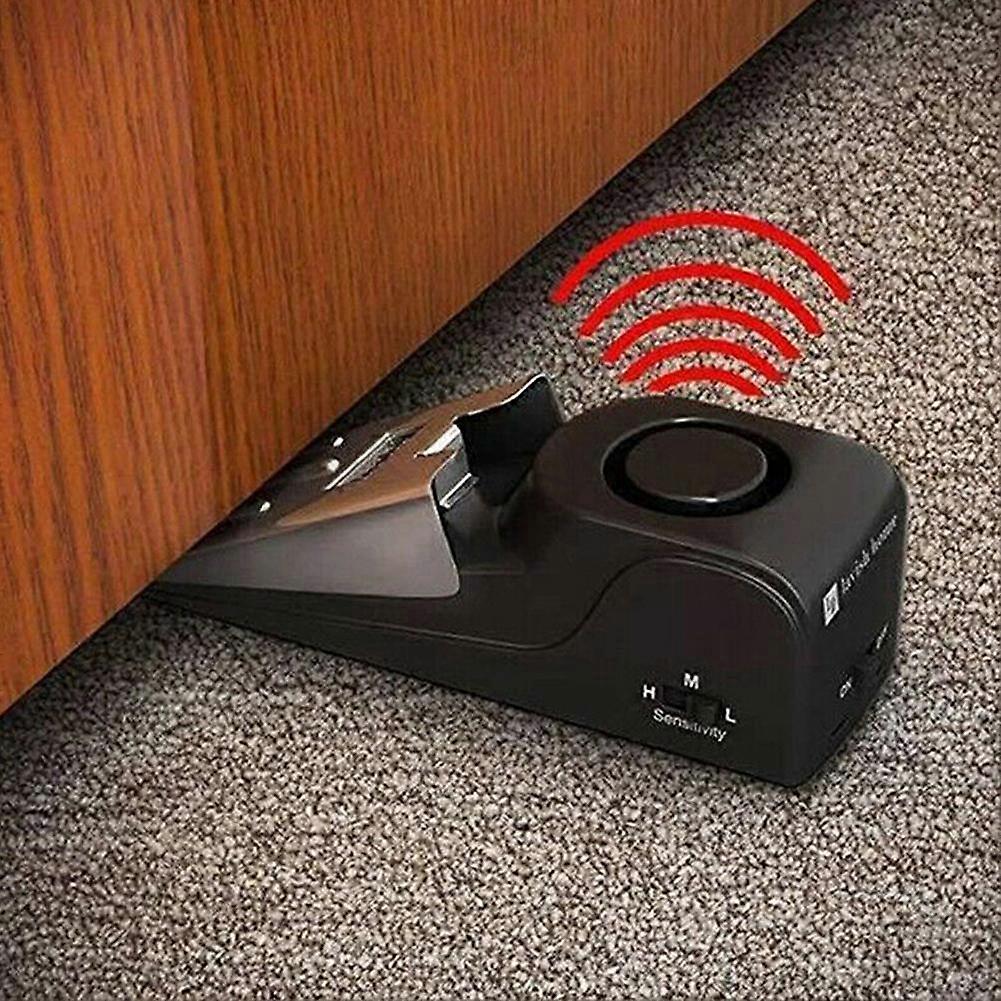
A door stop alarm is one of the simplest safety tools you can use in a hotel room, dorm, apartment, or bedroom. It works as a wedge under the door, helping stop the door from opening while triggering a loud alarm if someone pushes it.
People love this product because it’s:
- affordable
- portable
- fast to set up
- useful for travel and home
👉 Here’s our Door Stop Alarm product page: Door Stop Alarm Wedge
How a Door Stop Alarm Works
A door stop alarm sits on the floor under the door. When someone pushes the door:
- the door presses down on the wedge
- the wedge resists movement
- pressure triggers a loud siren (often 100–120dB depending on model)
The alarm does two things:
- alerts you immediately
- discourages entry by drawing attention
Best Places to Use It
Door stop alarms are popular for:
- Hotels / motels
- Airbnb stays
- Dorm rooms
- Apartments
- Bedrooms at night
- Home entry doors (extra layer)
It’s also a good choice for people who want peace of mind without installing anything.
Step-by-Step Setup (Correct Way)
- Close the door fully.
- Turn the alarm on (if your model has a switch).
- Slide the wedge snugly under the door from inside the room.
- Test gently: push the door slightly to confirm the wedge grips and the alarm triggers.
Pro tip: Place it where the door meets the floor tightly, not where the gap is wide.
Floor Types: What Works Best?
Door stop alarms work best on:
- tile
- wood
- laminate
- smooth hard floors
They may be less effective on:
- thick carpet
- uneven floors
- doors with very large gaps
If you’re selling this product, it’s good to mention this clearly—fewer returns, happier buyers.
Door Stop Alarm vs Portable Door Lock
- Door stop alarm = blocks + alarms
- Portable lock = physical latch barrier (usually quieter)
For many users, the best setup is:
- portable lock for the barrier
- door stop alarm for extra blocking + loud alert
Common Mistakes (And How to Avoid Them)
Mistake 1: Using it on thick carpet without testing
Always test. If the wedge slides, it needs a better position or firmer surface.
Mistake 2: Not turning the alarm ON
Sounds obvious, but it happens. Test after setup.
Mistake 3: Placing it too far from the door edge
You want it snug under the door at the point where pressure will be strongest.
Mistake 4: Expecting it to work on outward-opening doors
This is usually designed for inward-opening doors.
Who Should Buy This?
- solo travelers
- students in dorms
- apartment renters
- anyone wanting extra privacy at night
- people who want a simple security device without tools
👉 If you want an easy travel safety upgrade, check it here: Door Stop Alarm Wedge
”